Step 1: The Roof Inspection and Condition Report
Everything begins with a detailed inspection. A professional roofer carefully moves across the roof, examining the tiles or metal sheets, checking flashings, ridge caps, gutters, valleys and every potential entry point for water.
In Melbourne, we often see cracked tiles caused by expansion and contraction, rust forming on older metal roofs, and moss flourishing on shaded areas. The roofer takes photos, explains what they see, and prepares a condition report. This report helps homeowners understand what needs attention now – and what may become a problem later if ignored.
The most important part here is transparency. A good restoration company won’t rush through this or pressure you. Instead, they’ll clearly explain the issues, outline what’s genuinely necessary, and provide a realistic recommendation.
Step 2: Preparing the Property and Setting Up Safely
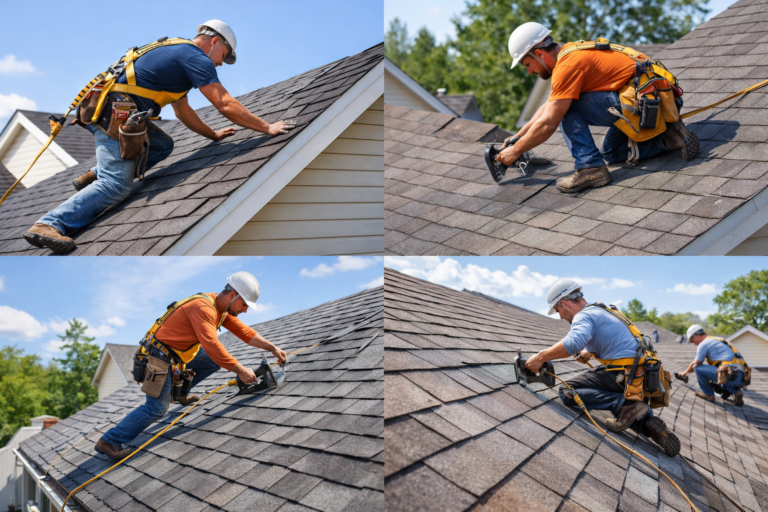
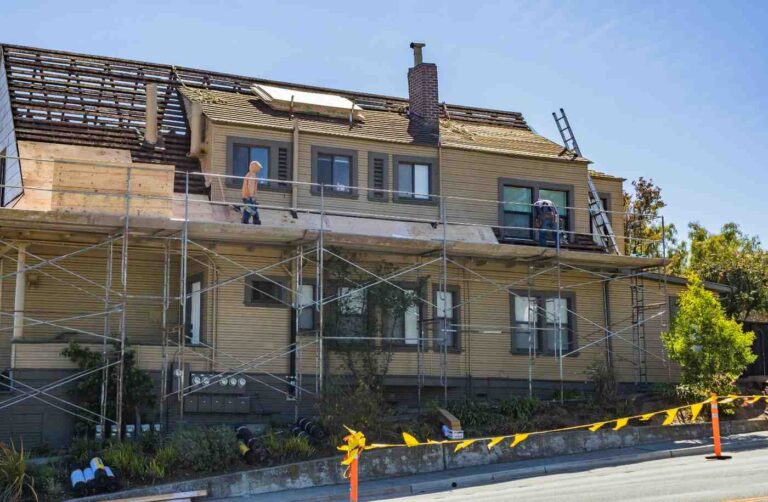
Before any actual work begins, the team prepares the site. Safety rails may be installed, ladders are secured, and harness systems are put in place. Tools and equipment are positioned so work can happen efficiently and safely.
Care is also taken around the home. Gardens are covered, driveways are protected, and any delicate areas around patios or outdoor spaces are carefully shielded from dust, debris and overspray. This preparation stage often goes unnoticed, but it plays a crucial role in ensuring the restoration is carried out professionally and with respect for the property.
Step 3: Deep Cleaning the Roof
Once preparation is complete, the cleaning process begins. High-pressure water is used to remove years of built-up grime, moss, lichen, dirt and peeling paint. This reveals the true condition of the roof underneath.
For Melbourne roofs, this step is essential. Moss and lichen might seem harmless, but over time they trap moisture, weaken tiles and allow water to seep into the roof structure. Cleaning removes these layers and creates a fresh surface, ready for repairs and coating.
The difference after cleaning is often dramatic, many homeowners are surprised to see their original roof colour again.
Step 4: Repairing and Restoring Damaged Areas
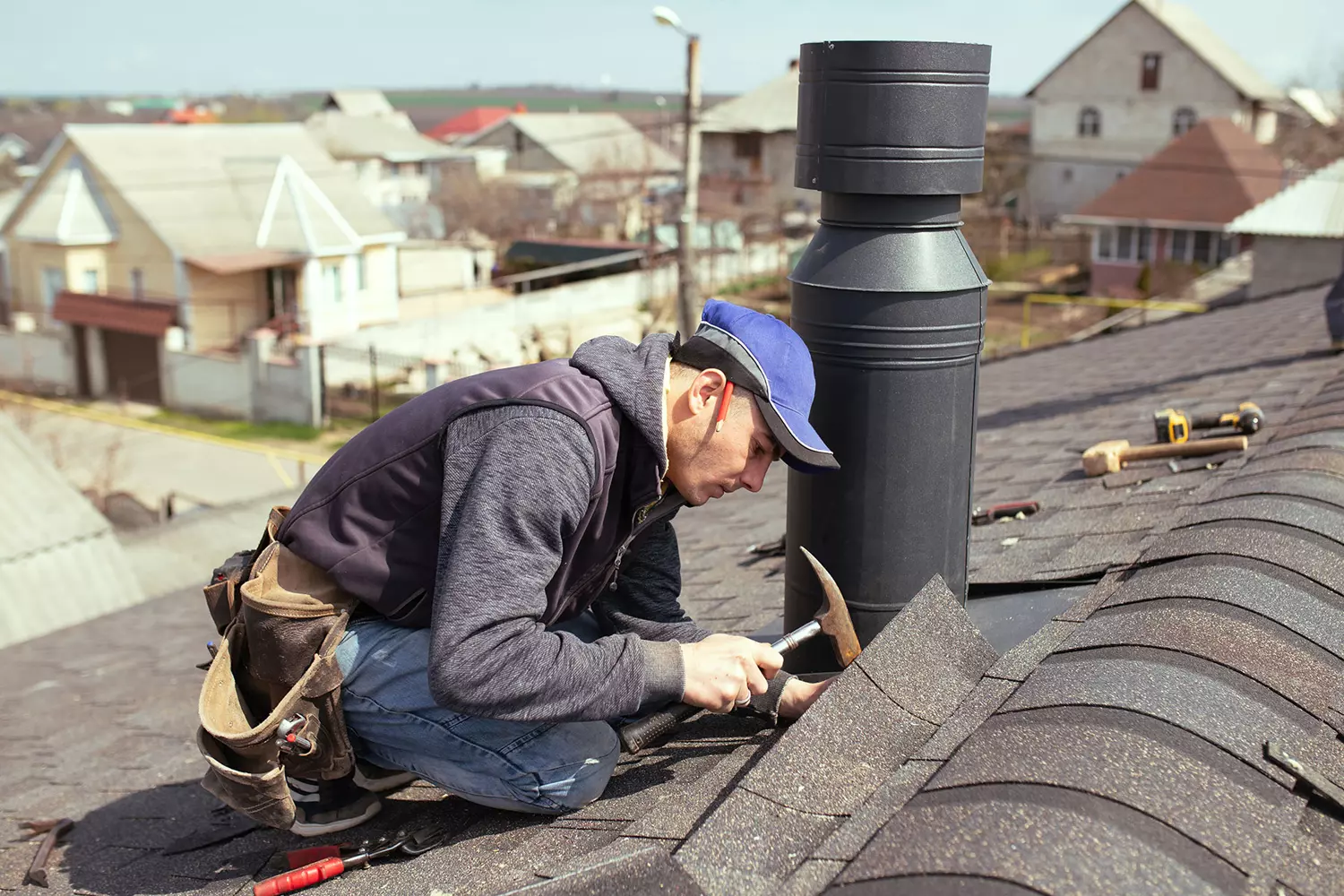
With the roof clean, any damage becomes immediately visible. Broken tiles are replaced, loose ridge caps are secured, cracked pointing is re-bedded and re-pointed, and areas prone to leaking, such as around chimneys, skylights and valleys, are carefully sealed.
For metal roofs, this may include replacing corroded sheets, tightening screws, and treating rusted sections. This stage is where the real structural value of restoration lies. It ensures that underneath the coatings and paint, the roof is sound, weatherproof and capable of protecting the home.
In Melbourne, where sudden downpours and storms are common, this part of the process gives homeowners the greatest peace of mind.
Step 5: Sealing and Priming the Roof
Once repairs are complete, the roof is sealed. A high-quality primer or sealer is applied to create a barrier and help the topcoat bond properly. This step prevents moisture from penetrating the roof surface and helps the coatings withstand strong UV and temperature fluctuations.
Skipping or rushing this stage leads to peeling paint, fading colour and premature deterioration – which is why professional roofers treat sealing as one of the most important parts of the restoration.
Step 6: Applying Protective Coatings or Roof Paint
With the roof sealed and ready, protective coatings are applied. These are not ordinary paints. Modern roof coatings are designed to withstand harsh Australian conditions, reduce fading, and add an extra layer of protection.
Multiple coats are applied to achieve an even finish and reliable coverage. Many homeowners choose modern colours similar to Colorbond shades, giving their home a refreshed and updated look.
Beyond aesthetics, this coating helps repel water, resist UV damage and slow down future wear, meaning the roof doesn’t just look newer, it genuinely performs better.
Step 7: Final Inspection and Clean-Up
Once the coatings have cured, the roofer performs a final inspection. They check for consistency, ensure every section has been coated properly, inspect previous repair points, and make sure gutters and surrounding areas are clean and free from debris.
Before leaving, most professionals also walk the homeowner through the finished work, explaining what has been done and how best to maintain the roof moving forward.
How Long Does Roof Restoration Take in Melbourne?
Most roof restorations take between two to four days, depending on the size of the roof and the level of repairs required. Weather also plays a role. Because Melbourne weather can change quickly, professional roofers carefully plan around rain, wind and extreme heat to ensure coatings cure correctly and safely.
What Influences Roof Restoration Cost?
The cost of roof restoration in Melbourne varies according to roof size, material type, level of damage, accessibility and whether additional services such as guttering, ridge repairs or leak sealing are needed.
While cheap deals may seem appealing, poorly done restoration often means peeling paint, recurring leaks and repeat repairs. In many cases, homeowners end up paying more in the long run. Choosing quality workmanship and durable materials generally delivers far better value.
Choosing the Right Roof Restoration Company in Melbourne
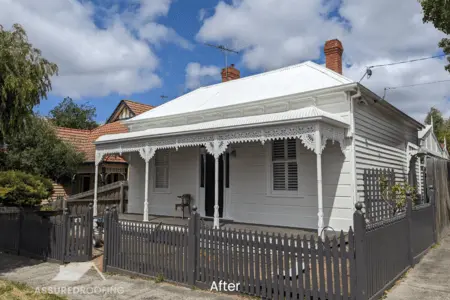
A trustworthy restoration company should be licensed, insured and experienced with Melbourne’s roofing styles and conditions. Look for before-and-after photos, customer reviews and clear explanations, not just price-focused quotes.
Good roofers don’t just restore roofs, they help protect the home beneath them.
Final Thoughts: Is Roof Restoration Worth It?
For many Melbourne homes, roof restoration is one of the most effective ways to give a property new life, improve its street appeal and protect it from the unpredictable local weather.
When done properly, it extends the roof’s lifespan, prevents leaks, and adds long-term value – without the heavy expense of a full replacement.